Exosomes · 7 min read
Exosomes: hype, hope, and what we actually know
The newest word in hair restoration, and the most abused. Here's the honest version: what's promising, what's proven, and what's marketing.
What an exosome actually is
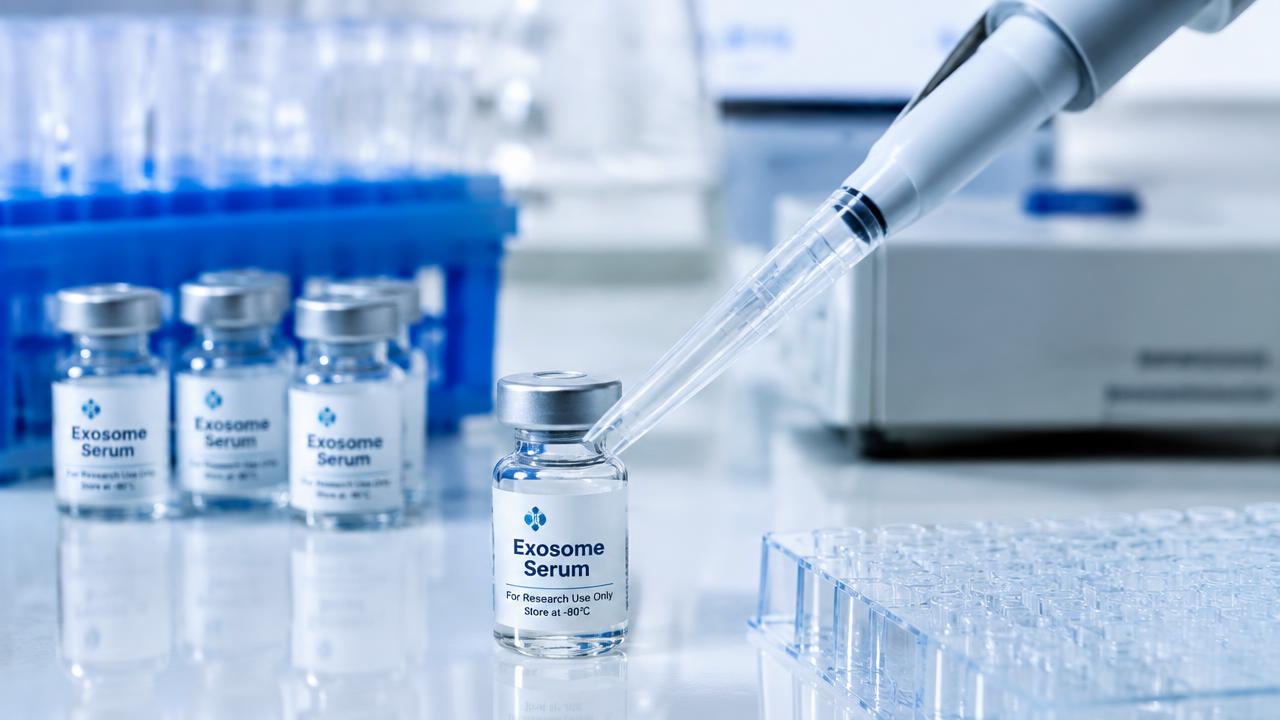
Exosomes are tiny messenger vesicles released by cells — think of them as envelopes full of instructions. In regenerative medicine, the idea is to deliver growth signals and proteins to tired tissue and tell it to behave younger.
In hair restoration, exosome therapy aims to do what PRP does, but with a more concentrated, standardized payload of signaling molecules — no blood draw required.
The honest state of the science
Early clinical results are genuinely promising: improved density and thickness in patients with pattern hair loss, often with visible change within a few months. But — and this is the part the hype leaves out — the research is still young, protocols vary wildly between providers, and not all exosome products are created equal.
Our position at LHC: exosomes are a real tool, not a miracle. We use them for the right candidates, we're transparent about the evidence, and we track your results with photos so we're measuring outcomes, not vibes.
Who it's for
Exosome therapy tends to suit people in the early-to-moderate stages of thinning who want a needle-light, no-downtime option — or patients pairing it with PRP or a transplant to support regrowth. If a clinic promises it will regrow a fully bald scalp, they're selling you a fairy tale with a lab coat on.
The right move is a proper assessment first. Fifteen minutes of honest evaluation beats six sessions of the wrong treatment.
Reading about it won't regrow it.
Book a consultation with Dr Noman and get a real plan for your hair — honest assessment, zero pressure, and at least one decent joke.
Book your consultation