
FUE · 8 min read
Month 1 to month 12 after FUE, honestly
The part nobody posts on Instagram: the ugly-duckling months, the panic at month three, and why month twelve is the only photo that counts.
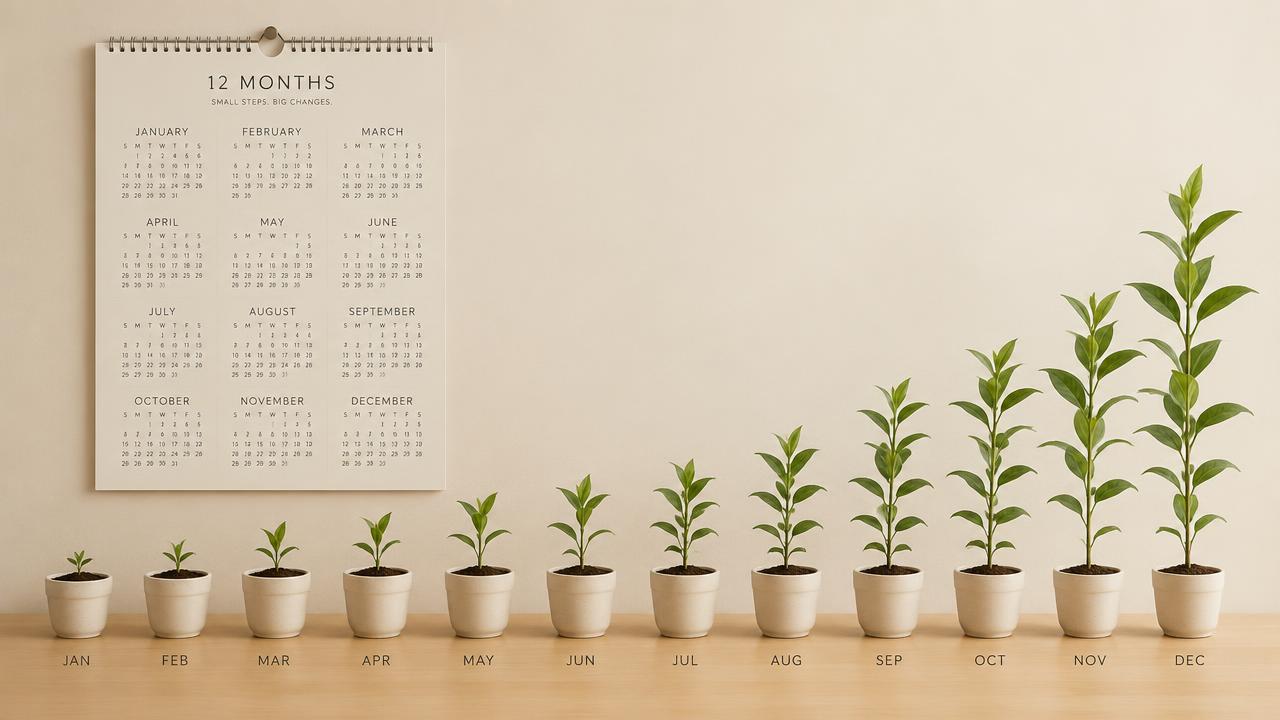
Months 1–2: the plot twist
You leave the clinic with tiny grafts healing nicely and a head full of optimism. Then, around week three, the transplanted hairs shed. Almost all of them. This is the moment patients text us in a panic — and it's completely normal.
The hair falls out; the follicle stays. It's called shock loss, and it means the follicles are resetting into their new growth cycle. Your scalp is not betraying you. It's renovating.
Months 3–5: the quiet months
This is the hardest stretch psychologically, because nothing seems to be happening. Under the surface, follicles are waking up. Fine, soft new hairs start appearing around month three or four — often thin and light at first, like the follicle is clearing its throat.
Our advice: keep taking your monthly photos in the same light. The mirror lies daily; the camera tells the truth quarterly.
Months 6–9: the payoff begins
This is when strangers stop being able to tell. Density builds, the hairs thicken and darken, and the hairline starts behaving like a hairline. Most patients see 60–70% of their final result by month nine.
It's also when people get cocky and skip their aftercare. Don't. The final third of the result is still being built.
Month 12: the only photo that counts
Full maturation takes 12 to 18 months. The month-12 photo is the one we take together at your follow-up — same angle, same light as your day-one photo — and it's almost always the moment people stop us mid-sentence.
A transplant is a slow miracle. Anyone promising faster is selling something. We'd rather you know the real timeline and love the real result.
Reading about it won't regrow it.
Book a consultation with Dr Noman and get a real plan for your hair — honest assessment, zero pressure, and at least one decent joke.
Book your consultation